
Creative work in coaching and workshops
When talking does not take you further, it can help to do something with your hands. A question takes shape, a thought becomes tangible.
In Karlsruhe
Art enables us to find ourselves and lose ourselves at the same time.
I am a psychologist (M.Sc.) and I have completed further training in analytical art therapy. In one-to-one coaching in Karlsruhe and in my work with teams I draw on selected methods from it.
When you work creatively, you try out what can be expressed with paper, pencils or other materials. You do not need to be able to draw. It is about approaching your theme in a different way. What you make stays with you.
Art therapy or art therapy methods?
The terms are often used interchangeably, but they do not mean the same thing.
Art therapy in the narrower sense is a therapeutic treatment. It takes place in clinics or in a psychotherapeutic practice, for example, usually over a longer period and with a treatment goal.
I use art therapy methods within systemic coaching. We work with them on a question or a situation that is hard to grasp in conversation alone.
If you are looking for art therapy treatment, what I offer is not the right setting. In the first call I will tell you so openly and point you to where you can find support.
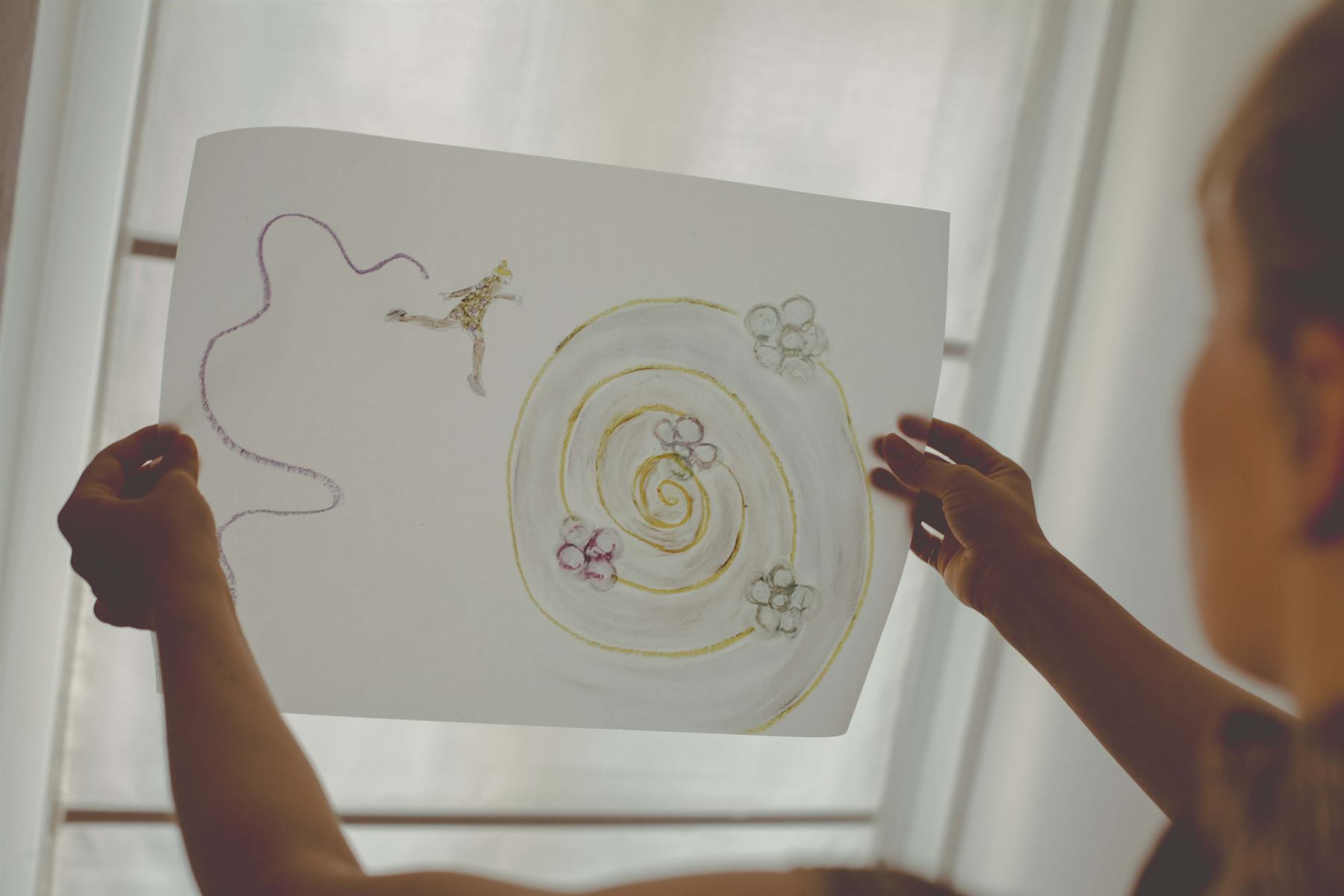
What happens when you work creatively
- Making something visibleWhat was there only as a feeling or a thought is suddenly in front of you.
- Gaining distanceYou can look at what you have made instead of only being in the middle of it.
- Discovering something unexpectedSometimes something emerges that you did not expect. That can set off a new thought.
- Finding your own expressionYou do not have to have the right words for everything straight away.

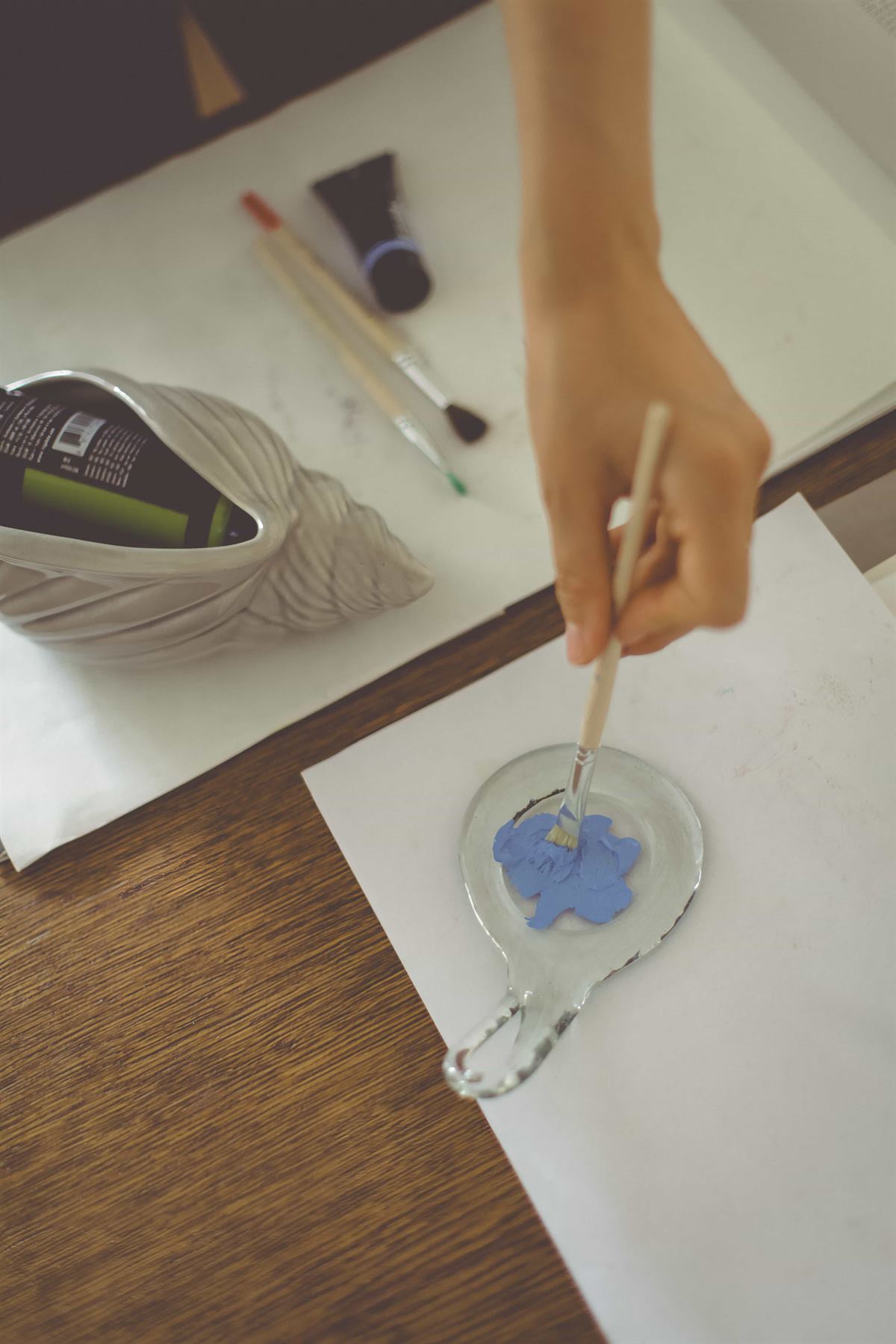
How a sequence works
Arriving
We start with what is on your mind right now.
Making
You try out what emerges with the materials laid out. There is no template and nothing that has to look right or wrong.
Looking
We look at the result together. What do you notice? What speaks to you, what unsettles you? You decide what matters to you.
Making sense of it
We consider what you take from the work and what it means for your original question.
When creative work can help
Perhaps you have been occupied with a theme for a long time and keep arriving at the same sentences in conversation. Perhaps a decision is pending and both options feel equally difficult. Or you can explain well what is going on, and still nothing changes.
Creative work can help you look at the theme in a different way.

Creative work in a team workshop
In a team, creative work can be a way out of the usual round of discussion. First each person works on their own. Then you bring your results together and develop a shared picture of where you want to go: how do you want to work together? What should be different in future? And what would tell you that you are getting closer to that?
This makes visible which ideas you share and where views still differ. The results are a concrete starting point for the conversation together. If it matters to the group, individual contributions can stay anonymous.
Where creative work is used
In one-to-one coaching I add creative work to the conversation when it suits the concern. In workshops it can be part of a sequence or, on request, form the focus of a workshop of its own.
To one-to-one coachingTo the workshops
First meeting
Whether creative work suits your concern is something we clarify on the phone. You tell me briefly what it is about. I explain how I would work with it, and we see whether that sounds useful to you.
Request a first meeting